
What Are Isopods? | IndyBioactive.com
What Are Isopods?
A Beginner’s Guide to Nature’s Tiny Cleanup Crew
If you’ve ever lifted a rock or log and discovered tiny armored creatures crawling underneath, you’ve probably encountered an isopod. Commonly called pill bugs, roly-polies, or woodlice, isopods are some of the most fascinating and useful invertebrates in the natural world — and they’ve become incredibly popular in the bioactive and exotic pet hobby.
At Indy Bioactive, we specialize in captive-bred isopods for bioactive terrariums, vivariums, reptile enclosures, and collectors alike. But what exactly are isopods, and why are so many people keeping them?
What Is an Isopod?
Isopods are small crustaceans belonging to the order Isopoda. Surprisingly, they are more closely related to shrimp and crabs than insects. While some isopods live in oceans and freshwater environments, terrestrial isopods have adapted to life on land.
These land-dwelling species are commonly known as:
- Roly-polies
- Pill bugs
- Woodlice
- Sow bugs
There are thousands of isopod species worldwide, ranging from common backyard varieties to rare and colorful tropical species prized by collectors.
Why Are Isopods Important?
In nature, isopods act as decomposers. They consume decaying organic matter such as:
- Fallen leaves
- Rotting wood
- Moss
- Animal waste
- Shed skin
- Fungi
By breaking down waste materials, isopods help recycle nutrients back into the soil. This makes them an essential part of healthy ecosystems.
Isopods in Bioactive Enclosures
One of the biggest reasons isopods have exploded in popularity is their use in bioactive reptile and amphibian setups.
In a bioactive enclosure, isopods function as part of the “clean-up crew.” They help:
- Reduce waste buildup
- Break down decaying matter
- Improve soil health
- Prevent mold growth
- Aerate substrate naturally
When paired with springtails, isopods help create a more self-sustaining ecosystem for reptiles, amphibians, tarantulas, and tropical plants.
Popular bioactive species include:
- Powder Orange Isopods
- Dairy Cow Isopods
- Dwarf White Isopods
- Armadillidium species
- Cubaris species
Popular Types of Pet Isopods
The isopod hobby has expanded far beyond simple backyard species. Today, collectors breed and trade incredibly unique varieties from around the world.
Some popular captive-bred isopods include:
Dairy Cow Isopods (Porcellio laevis)
Fast breeding, highly active, and excellent for cleanup crews.
Panda King Isopods (Cubaris sp.)
A highly sought-after species known for striking black-and-white coloration.
Rubber Ducky Isopods (Cubaris sp.)
One of the rarest and most recognizable isopods in the hobby due to their duck-like facial appearance.
Zebra Isopods (Armadillidium maculatum)
Bold striped patterns make these one of the most visually appealing beginner species.
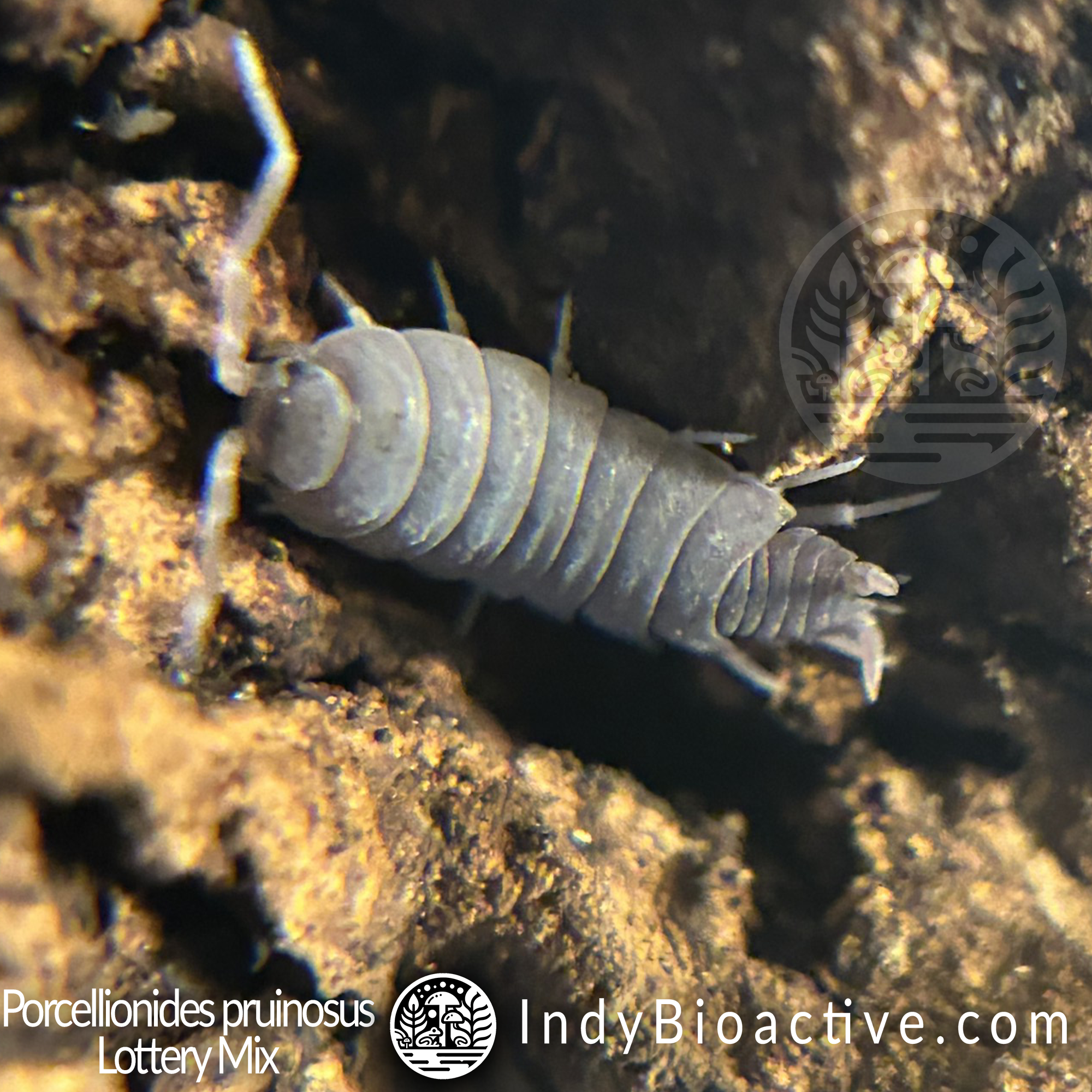
Powder Blue & Powder Orange Isopods (Porcellionides pruinosus)
Hardy, prolific, and ideal for tropical enclosures.
Are Isopods Easy to Keep?
Yes — many species are beginner-friendly and easy to care for.
Most isopods require:
- Moist substrate
- Leaf litter
- Decaying wood
- Calcium sources
- Good ventilation
- Moderate humidity
Depending on the species, some prefer drier environments while others thrive in tropical humidity.
Many hobbyists keep isopods as:
- Bioactive cleanup crews
- Standalone display colonies
- Breeding projects
- Educational pets
- Feeders for small reptiles and amphibians
Do Isopods Smell or Bite?
Isopods are harmless to humans and pets. They:
- Do not bite
- Do not sting
- Do not infest homes like pests
- Produce very little odor when cared for properly
Healthy isopod colonies usually smell earthy, similar to forest soil.
Why Are Isopods Becoming So Popular?
The isopod hobby has grown rapidly because these tiny crustaceans are:
- Low maintenance
- Fascinating to observe
- Beneficial in bioactive ecosystems
- Available in stunning colors and patterns
- Great for beginners and advanced keepers alike
Some rare species have even become collectible within the exotic pet community.
Shop Captive-Bred Isopods at Indy Bioactive
At Indy Bioactive, we offer a growing selection of captive-bred isopods, bioactive supplies, substrates, mosses, and enclosure essentials.
Whether you’re building your first bioactive enclosure or expanding your collection with rare species, we’re passionate about helping keepers create thriving ecosystems.
Explore our collection of:
- Tropical isopods
- Beginner isopods
- Rare Cubaris species
- Bioactive substrate
- Leaf litter
- Moss and enclosure supplies
Final Thoughts
Isopods may be small, but they play a massive role in both nature and the bioactive hobby. From recycling nutrients in forests to maintaining clean terrariums, these miniature crustaceans are some of the most useful and fascinating invertebrates on Earth.
Whether you know them as pill bugs, roly-polies, or exotic isopods, there’s an entire world of biodiversity waiting to be explored.
For more isopod care guides, species information, and bioactive supplies, visit Indy Bioactive.